
Post Disclaimer
Catopedea shares information for educational and general interest purposes only. Our content is not a substitute for professional veterinary advice, diagnosis, or treatment. Always consult a licensed veterinarian for concerns about your cat’s health, diet, or behavior.
Cats are curious creatures. If you share your home with a feline friend, you’ve probably noticed how they sniff, paw, and even nibble on almost anything that grabs their attention. While this curiosity is part of their charm, it can also be dangerous. Many common houseplants, garden flowers, and even everyday household products can be toxic to cats.
What makes this issue more complicated is that advice online is often contradictory. One website may say a plant is safe while another claims it is deadly. As cat parents, we need clarity so we can create a safe, enriching environment without constantly worrying about hidden toxins.
This guide brings together research, veterinary advice, and practical solutions to help you identify plants and items that may harm your cat. From popular houseplants like alocasia and begonias to everyday products like wall plug-ins and ointments, you’ll find everything you need in one place.
And remember cat communication goes beyond curiosity. If your pet is acting strangely around a new plant or product, they may be trying to signal discomfort. For more insights into feline behavior, check out our post on Scared Cat Body Language: Understand What Your Cat is Telling You.
Let’s dive into this complete safety guide.
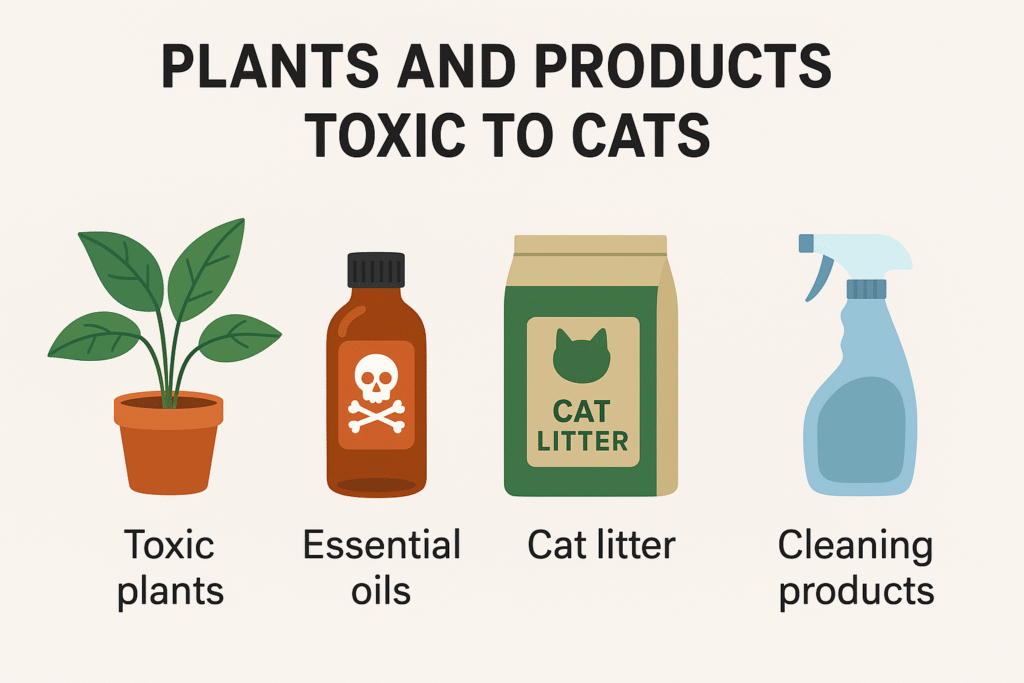
Why Understanding Cat Toxins Matters
Cats process toxins very differently from humans and dogs. Their liver lacks certain enzymes that break down chemicals, which means even small doses of some plants or oils can cause severe reactions. Unlike dogs, cats are also less likely to vomit toxins quickly after ingestion, giving harmful substances more time to damage their system.
For example, lilies are notorious for being extremely toxic just a small nibble on the leaves or exposure to the pollen can lead to kidney failure. While not every plant in your home is that dangerous, even mild toxins can cause vomiting, diarrhea, drooling, or skin irritation.
Being informed is the first step toward prevention. By knowing what to avoid and what safe alternatives exist, you can build a home that is both stylish and safe for your feline companion.
Common Houseplants That May Be Toxic to Cats
Plants bring life to our homes, but not all greenery is cat-friendly. Below is a detailed breakdown of common plants and their potential risks.
Alocasia and Aglaonema
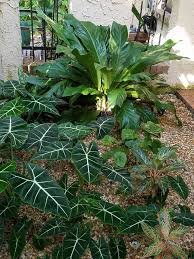
Alocasia, with its striking arrow-shaped leaves, is a favorite among plant lovers. Unfortunately, it contains insoluble calcium oxalates that are highly irritating when chewed. Cats that bite into an alocasia may experience drooling, pawing at the mouth, vomiting, and difficulty swallowing.
Aglaonema, commonly called Chinese Evergreen, poses similar risks. While beautiful, it is best avoided if you share your home with cats.
Safer alternatives: Calathea, parlor palm, or spider plant.
Palms
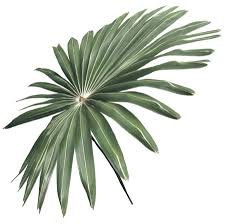
Palms can be confusing because some are safe while others are toxic. The Majesty Palm is actually non-toxic, making it a safe choice for pet households. However, confusion often arises because toxic palms, like the Sago Palm, look similar and are deadly if ingested.
The Neanthe Bella Palm (also known as the Parlor Palm) is another safe option. Always confirm the exact species before purchasing.
Begonias and Rex Begonias

Begonias are common ornamental plants, especially the colorful Rex varieties. Unfortunately, they contain soluble calcium oxalates in the roots and leaves that can cause intense burning in the mouth and gastrointestinal upset.
Cats that ingest begonias often foam at the mouth and may refuse to eat due to pain.
Mandevilla, Bougainvillea, and Plumeria
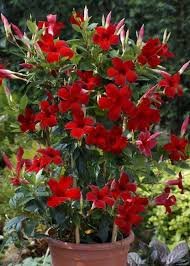
- Mandevilla: Mildly toxic, causing drooling and stomach upset.
- Bougainvillea: Not considered deadly, but the thorny stems can cause injuries and mild irritation.
- Plumeria (Frangipani): Contains a sap that can irritate the skin and digestive tract.
These plants may not be as dangerous as lilies, but they are best kept out of reach.
Flowering Plants: Coneflowers, Delphiniums, Lotus, Violas, Anemones, Daisies
- Coneflowers (Echinacea): Generally safe but may cause mild digestive upset.
- Delphiniums: Toxic and can lead to nausea, tremors, and even cardiac issues.
- Lotus flowers: Toxic if ingested in larger amounts.
- Violas (pansy-like flowers): Mild gastrointestinal irritation.
- Anemones: Contain protoanemonin, which can cause drooling, vomiting, and lethargy.
- Shasta Daisies: Known to cause skin irritation and stomach upset.
Unique Ornamentals
- Tradescantia Nanouk: Causes skin irritation.
- String of Bananas: Can lead to vomiting and diarrhea.
- Calandiva: Toxic in larger doses.
- Stromanthe Triostar: Mild but not considered highly toxic.
- Croton Petra: Known to cause drooling and digestive upset.
- Syngonium and Philodendrons (Birkin and Pink Princess): All contain calcium oxalates that cause oral pain and swelling.
Outdoor Plants and Garden Favorites
- Black Eyed Susans: Can cause drooling and vomiting.
- Lupines: Contain alkaloids that can affect the nervous system.
- Nasturtiums: Generally safe and sometimes even used in herbal remedies.
- Vincas: Toxic and can cause lowered blood pressure.
- Pansies: Mild stomach upset.
- Marigolds: Irritation around the mouth.
- Columbines: Contain cardiogenic toxins in high amounts.
Household Products and Everyday Items
It’s not just plants many common products around the home can also pose risks.
- Wallflowers and air fresheners: Often contain essential oils that can trigger respiratory distress.
- Aquaphor and shea butter: Mild stomach upset if ingested, but not typically life-threatening.
- Jojoba oil: Non-toxic but may cause diarrhea if consumed in large amounts.
- Vicks: Contains camphor, which is toxic to cats.
- Styrofoam: Not toxic but poses a choking hazard.
- Terro ant bait: Highly dangerous if ingested.
Non-Plant Surprises That Can Be Toxic
- Skinks (lizards): Not toxic themselves but can carry parasites.
- Pine cones: Risk of choking and digestive blockages.
- Corn husks: Not toxic but indigestible and can cause blockages.
- Boxelder bugs: Can cause mild stomach irritation.
Safe Alternatives for Cat-Friendly Homes
The good news is that many beautiful plants are safe for cats. If you love greenery, consider these options:
- Spider Plant
- Areca Palm
- Ponytail Palm
- Calathea
- Catnip and Cat Grass
These not only brighten your home but also provide safe enrichment for your cat.
What To Do If Your Cat Ingests Something Toxic
- Remove access immediately.
- Call your veterinarian.
- Contact the ASPCA Animal Poison Control Center for expert guidance.
Never try to make your cat vomit at home unless specifically directed by a vet.
Frequently Asked Questions About Toxic Plants and Products for Cats
1. What are the most common plants toxic to cats?
Some of the most common household and garden plants toxic to cats include lilies, alocasia, philodendron, dieffenbachia, poinsettia, aloe vera, and tulips. Even small ingestions can cause symptoms ranging from drooling to kidney failure, depending on the plant.
2. Are all palms toxic to cats?
No. Some palms like the Majesty Palm and Neanthe Bella Palm are safe, but the Sago Palm is highly toxic and potentially deadly for cats. Always double-check before bringing a palm indoors.
3. What should I do if my cat eats a toxic plant or product?
Call your veterinarian immediately. If possible, bring a sample of the plant or product your cat ingested. Do not try home remedies unless instructed by a vet, as some may worsen the situation.
4. Are essential oils safe to use around cats?
Most essential oils, including tea tree, eucalyptus, peppermint, and citrus oils, are toxic to cats when ingested or inhaled in concentrated amounts. Use pet-safe alternatives and ensure proper ventilation if using diffusers.
5. Can I keep houseplants if I have cats?
Yes, but choose non-toxic, cat-friendly plants such as spider plants, calatheas, areca palms, or parlor palms. These provide greenery without risking your cat’s health.
6. What are the signs of poisoning in cats?
Symptoms of poisoning may include vomiting, diarrhea, excessive drooling, loss of appetite, lethargy, difficulty breathing, seizures, or collapse. If you notice any of these, seek emergency vet care right away.
7. Are flowers like roses or carnations toxic to cats?
Roses are generally safe (though thorns can cause injury), but mini carnations and other popular flowers like lilies and daffodils are toxic. Always check before bringing bouquets home.
Conclusion
The debate over safe and toxic plants can feel overwhelming, but the key takeaway is this: prevention is easier than treatment. Knowing which plants and products to avoid allows you to create a home that is safe and stress-free for your feline companion. Male or female, playful or shy, every cat deserves an environment where they can explore without danger. Whether it’s swapping a toxic begonia for a safe calathea or switching from chemical plug-ins to natural air purifiers, small changes go a long way in protecting your cat’s health.
If you’d like to understand more about your cat’s subtle signals, explore our guide on Decoding Cat Eye Language Understanding Feline Emotions.
Your cat’s safety is in your hands and with the right knowledge, you can keep their nine lives as safe as possible.


Pingback: Safe Essential Oils for Cats – Pet-Friendly Aromatherapy Tips - catopedea.com
Pingback: Can Cats Eat Cinnamon Toast Crunch? Everything You Need to Know - catopedea.com
Pingback: Can Cats Kill Chickens? Everything Backyard Owners Should Know - catopedea.com